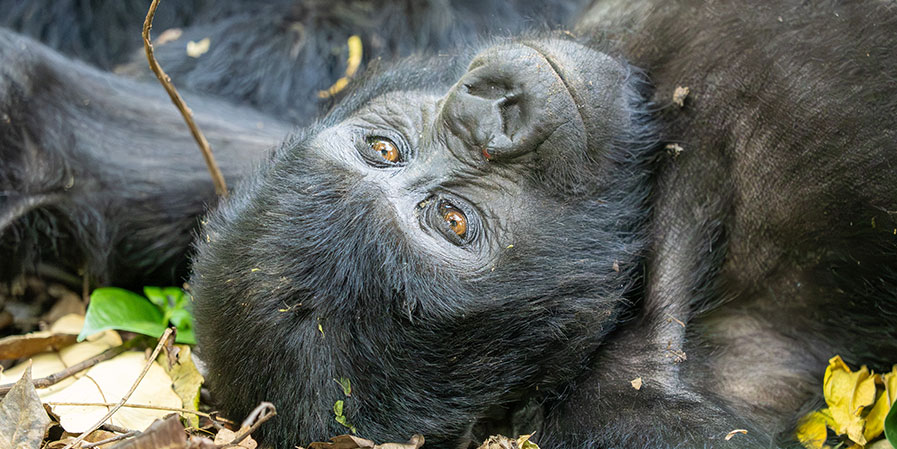
Mountain Gorilla Trekking Rules and Regulations: Mountain gorillas (Gorilla beringei…
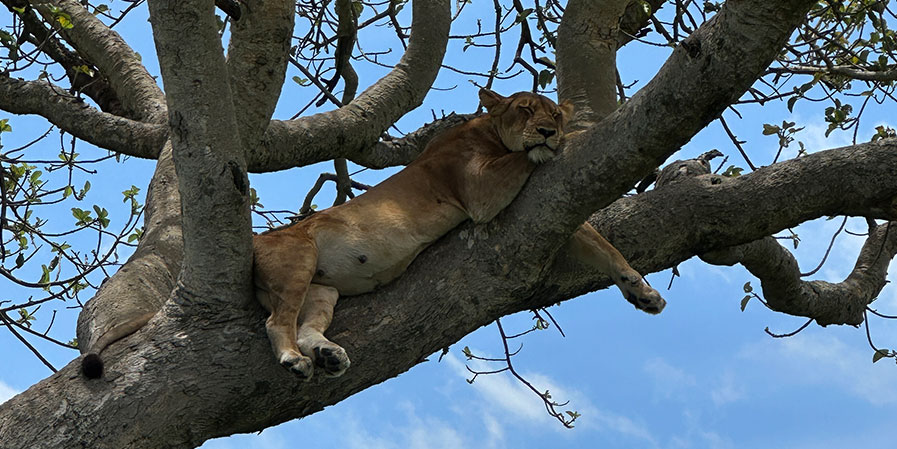
Tree climbing lions in East Africa are found in Queen Elizabeth National Park, mostly in the Ishasha sector in Uganda; Lake Manyara National Park in Tanzania; and Serengeti National Park. The Ishasha sector in the southern part of Queen Elizabeth National Park is one of the most famous places to see these lions resting on the trees. Most tourists travelling to Uganda get to see these lions, especially adult males resting above on the branches, cubs learning climbing techniques, adult males resting above the branches and family groups sharing the trees. This is one of the most thrilling and adventurous moments one should not miss in a lifetime.
These are the only destinations that offer higher chances of sighting the tree-climbing lions.
Regarded as the world’s biggest cats after tigers, lions have muscular and powerful limbs, hence the ability to make them Savannah giant kings. Queen Elizabeth National Park is known as the place where you can find tree-climbing lions. Various factors have been considered as to why lions climb trees, and these include the following:
Watching territories
This is mostly to maintain a watch on their surroundings, hence monitoring scavengers and rival prides. Viewpoints allow them to monitor approaching prey and potential threats without any movements. Tree-climbing lions mostly observe other animal movements and those grazing near their territory and competing prides, and hence the trees have become observation towers for these lions.
Escape route from hot days
During the hot season, lions climb trees to escape the severe hot temperatures, especially across open savannah landscapes. Climbing provides more resting conditions and a better flow of air during the scorching sun, especially in the afternoon.
Protection of the fresh kills
This enables them to monitor scavengers that attempt to steal their leftovers. While they seldom store prey inside trees, their elevated viewpoint offers a strategic advantage.
Hiding from insect bites
Lions usually climb trees to escape from insect bites like mosquitoes, flies and other pests. Due to the fact that the branches of these trees are elevated, they experience fresh air from strong winds, hence making it difficult for insects to bite.
Passing through generations
This is another way of passing the behavior to the new generation. Behavior passed between generations often becomes a defining characteristic of specific prides. Young cubs always observe the lions climbing these trees and gradually develop climbing confidence for larger trees. Embark on this thrilling journey with us at Kitu Afrika Safaris Limited.
Related Posts